
Creating Domains of Dread
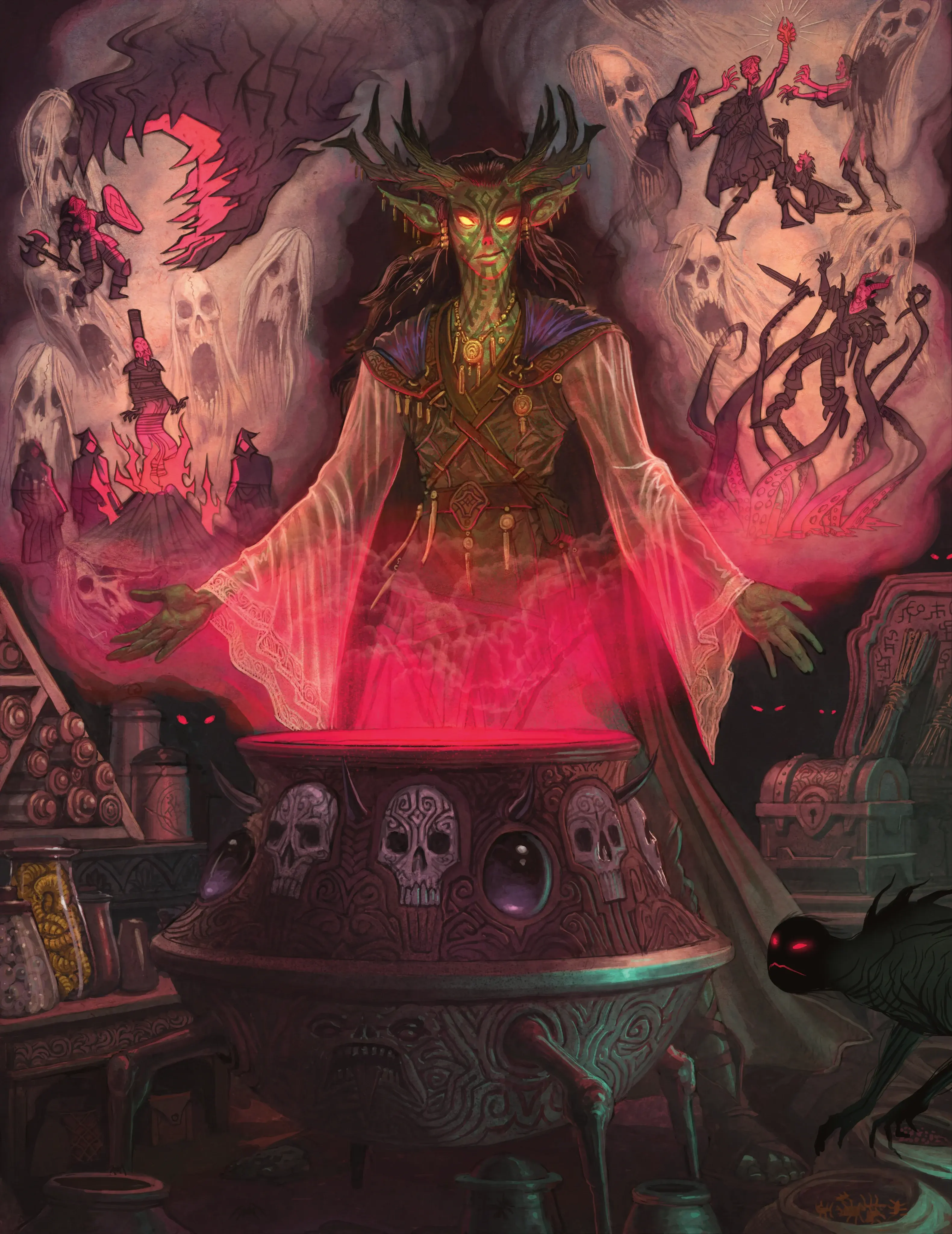
Any fear might find terrible life amid the Domains of Dread. Each domain highlights its own distinctive terror or flavor of the macabre. Chapter 2 presents numerous Domains of Dread and their respective Darklords, but you can blend legendary evils, unexpected monstrosities, and grim settings into your own horrifying creations.
This chapter explores how to create a Domain of Dread, starting with defining its Darklord, the villain at the domain™s heart. Descriptions of various genres of horror also provide details to guide and inspire your creations.
Creating a Darklord
Domains are reflections of and prisons for the Darklords they confine. To devise a Domain of Dread, first consider its central antagonist and prisoner: its Darklord. The following sections detail how to develop a Darklord as a focal antagonist in your horror adventures.
Building Your Darklord
A Darklord™s memories, desires, mistakes, and evil deeds shape a domain and its inhabitants. This chapter presents tables with suggested questions and motifs related to a Darklord™s past and personality. Choose or randomly generate prompts to develop your Darklord further, or use the table entries as inspiration.
To build a Darklord, follow these steps:
Step 1: Choose Genres. What horror genres does your Darklord fit into? Use those genres™ principles to help develop your Darklord.
Step 2: Determine Their Past. Who was the Darklord before they turned to irredeemable evil? What ambitions and flaws drove them to commit heinous acts? How did the Darklord first attract the attention of the Dark Powers? The њDarklord™s Pastќ section provides a multitude of prompts to inspire your Darklord™s origin story.
Step 3: Determine Their Identity. What monstrous form does your Darklord™s evil take? Turn to each genre chosen in step 1, then consult that genre™s respective њVillain Identitiesќ and њVillain Tormentsќ sections. Feel free to mix and match the tables from different genres to achieve your desired feel.
Genres of Horror
Horror stories span a wide variety of genres. One tale might explore the grotesque, warping flesh and bone into perversions of the living; another might be fantastical and philosophical, using restless ghosts to examine the nature of the soul.
Before you begin building a Darklord, consider which genres of horror you™d like to explore. The Genres of Horror table describes the six major genres of horror explored later in this chapter and their common motifs. If you™re uncertain where to start, use the table to identify which motifs interest, excite, or inspire fear in you. The sections later in the chapter also detail each genre™s core principles, which drive how you develop the Darklord, the domain, and the adventures within.
These genres aren™t mutually exclusive. Feel free to blend themes from different genres to create a unique and terrifying story. The end of this chapter briefly describes a handful of additional genres for consideration.
Genre | Characters in Stories of This Genre ¦ | Common Motifs |
|---|---|---|
Body horror | Explore the unpredictability of flesh. | Gore, loss of bodily autonomy, parasitic infestations |
Cosmic horror | Face incomprehensible insignificance. | Faceless terrors, infinite voids, unblinking eyes |
Dark fantasy | Battle grim evils and wicked magic. | Antiheroes, evil witchcraft, misty forests |
Folk horror | Unmask ancient taboos and traditions. | Cryptic legends, masked cults, secluded towns |
Ghost stories | Examine mortality and tragic histories. | Decrepit mansions, incorporeal haunts, old ruins |
Gothic horror | Confront passions and evils within. | Ancient castles, strong emotions, tarnished splendor |
Darklord™s Past
Every Darklord has committed irredeemable acts that attract the attention of the Dark Powers. Yet Darklords are still individuals who, at one point, had a home, childhood, and family. The following sections each examine a different aspect of the Darklord™s life prior to imprisonment.
Past Life
What circumstances and choices pushed the Darklord down their twisted path? Choose or randomly generate at least three questions from the Past Life table to answer. If you generate the same question again, use the question one above or below the entry instead.
Dark Catalyst
Negative emotions can twist one™s ideals into something sinister. Choose or randomly generate at least one prompt from the Dark Catalyst table to develop what encouraged the Darklord™s corruption.
Wicked Ambitions
All Darklords have a core ambition or goal that drives them to commit evil acts. These unobtainable goals fueled their corruption and motivate the Darklords™ conflicts with adventurers in their domains. Choose or randomly generate such a goal from the Wicked Ambitions table.
Intervention of the Dark Powers
Consider how the Darklord attracted the attention of the Dark Powers. On the completion of an act of remarkable depravity, the Mists claim the Darklord”and perhaps their home”imprisoning them in a new Domain of Dread. The deed that ultimately causes a villain to be claimed by the Mists needn™t be devastating, but it should represent an evil novel enough for the Dark Powers to take note. Use the Darklords™ tales from chapter 2 to inspire how a Darklord might be claimed by the Mists.
Birth of a Darklord
Now trapped in a domain tailor-made to be their prison, the Darklord is immortal, and their greatest desire is just out of reach. At this point, you should have an idea of who the Darklord is, what they did, what form their evil takes, and how they came to the attention of the Dark Powers.
Now consider how the Darklord™s evil manifests in their domain and how it brings them into conflict with the adventurers and the domain™s inhabitants.
Monstrous Identities
Some Darklords undergo harrowing transformations on their imprisonment, as the Dark Powers warp those Darklords™ forms to reflect their evil. Alternatively, the Darklord might have been a monster to begin with, or perhaps they gained their form and powers through their deeds or a curse.
Consider how your Darklord is viewed by inhabitants of their domain. Reference the genres of horror that your Darklord fits into (later in this chapter), and use a genre™s њVillain Identitiesќ and њVillain Tormentsќ sections to shape the Darklord™s monstrousness. The њVillain Identitiesќ sections provide options for the Darklord™s primary identity or form while within their domain, while the њVillain Tormentsќ sections provide torturous twists that the Dark Powers might employ to torment the Darklord and reflect their evil.
Finishing Touches
The story of a Darklord entwines with those of the adventurers and the domain itself. As you finish fleshing out your Darklord™s details, consider the following options to further connect the Darklord to their domain and the adventures within it.
Endless Torment. In every domain, its Darklord™s greatest desire remains in view but ever out of reach. How does your Darklord™s torment remain central to and unignorable in the story?
Misty Borders. The Mists of Ravenloft surround each Domain of Dread. The Dark Powers afford Darklords some control over the Mists bordering their domains. Does your Darklord allow the Mists to function undisturbed, or do the Mists also reflect the Darklord™s nature, perpetuating the cycle of torment?
Supporting Cast. Consider what NPC types support the Darklord, exacerbate their threat, or oppose them. How do the inhabitants of the domain play into the Dark Powers™ plans, taking the Darklord™s situation from bad to worse?
Creating a Domain
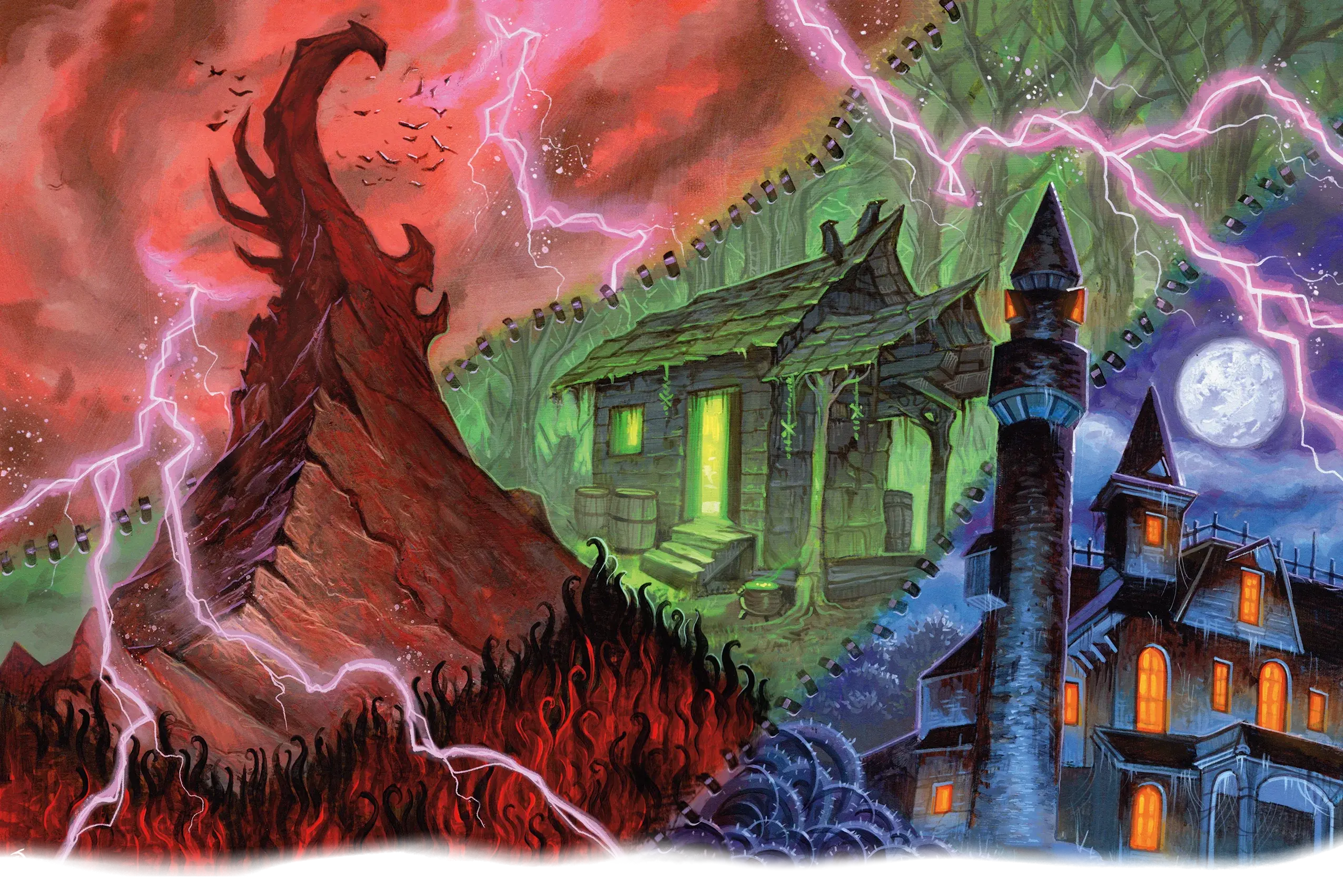
Once you™ve developed a terrifying Darklord, start shaping that Darklord™s unique Domain of Dread. Everything in this realm is inspired by the Darklord™s torment or personalized to it.
This section provides guidelines to help you create a suitably terrifying and tragic Domain of Dread.
Building a Domain
Similar to building a Darklord, you can choose or randomly generate prompts from the tables below to flesh out the domain™s details.
To build a Domain of Dread, follow these steps:
Step 1: Choose Genres. Most Domains of Dread are inspired by the same horror genres that shape their imprisoned Darklord, but feel free to mix in new genre elements.
Step 2: Develop Details. What are the distinctive elements of the domain? How do these elements reflect and twist the Darklord™s past, furthering the Darklord™s torment? The њDread Detailsќ section contains several tables with prompts to tailor your domain to its central prisoner.
Step 3: Create Adventures. What adventures will the characters have in this domain? Turn to the genres chosen in step 1, and consult their њAdventure Hooksќ and њAdventure Settingsќ sections to inspire your adventures.
Step 4: Choose Monsters. The genres later in this chapter each include a table suggesting a plethora of monsters that suit the genre™s sensibilities. Consult those monster tables, and choose which terrifying creatures will haunt the characters in the domain. If none of the suggested monsters fit your ideas, you can reskin or alter the suggested monsters or choose ones that do.
Dread Details
The domain™s buildings, natural elements, landmarks, and creatures reflect the Darklord™s vile past. This section provides prompts for developing elements of your domain and connecting those specifics to the imprisoned Darklord.
Don™t get bogged down with the particulars of a working society. Things like weather, ecosystems, and agriculture needn™t follow logic in a domain. Mundane details can fade into the background as your adventures focus on the domain™s threats.
Domain Elements
Above all else, a domain is a torturous prison for its Darklord. Visceral sights, sounds, and smells within the domain should hint at the Darklord™s past villainy or serve as a means for the Dark Powers to torment the domain™s central prisoner.
Choose or randomly generate at least three questions from the Domain Elements table to answer. If you generate the same question again, use the question one above or below the entry instead. Don™t be afraid to combine details in unexpected ways”the more unnatural or off-putting, the better.
Darklord™s Shadows
A domain™s features are constant, painful, and symbolic reminders of the Darklord™s wicked past. Choose or randomly generate at least one prompt from the Darklord™s Shadows table to develop how the domain reflects the Darklord™s history. Consider connecting the results to your answers to the questions in њDomain Elements.ќ
Unleash Your Horror
At this point, you should have a wealth of information about your Darklord and their domain. Review your notes, connect elements, establish recurring themes, and consider ways to foreshadow circumstances that adventures might focus on. You don™t need to have answers for every question now; you can define many details during adventures or by focusing on elements your players gravitate toward. For examples of fully detailed Darklords and domains, see chapter 2.
Genres of Horror
The following sections provide overviews of several genres of horror. Use these to inspire adventures, Darklords, and Domains of Dread of your own creation or to further detail the domains presented in chapter 2. Mix and match elements from different genres to create your own uniquely terrifying combinations.
Body Horror
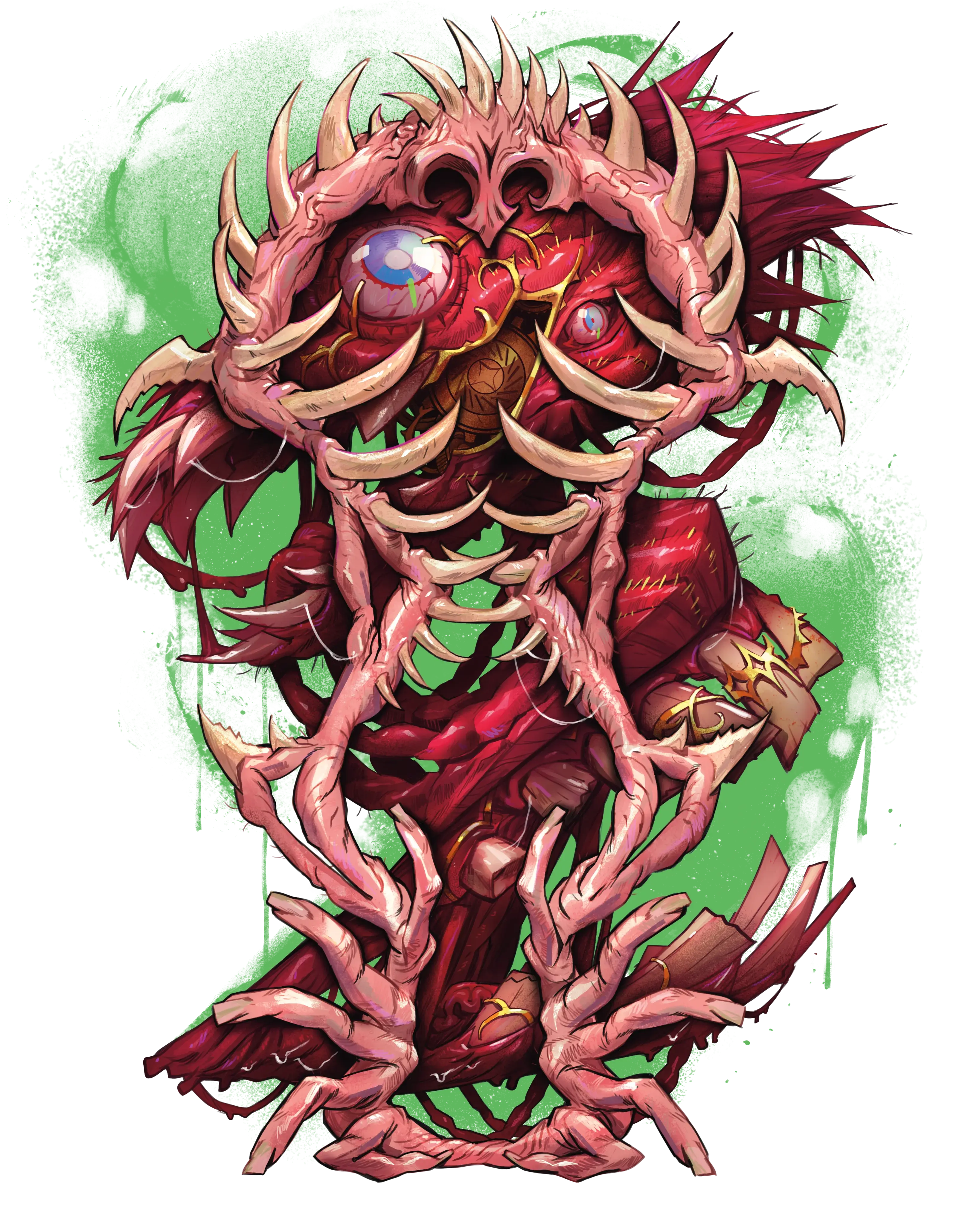
Body horror examines the fear of our failing anatomies. Tales in this genre explore the unpredictability of flesh”that robust health might be an illusion and that we might be incubating what will devour us. Examples include Alien and The Fly.
Body Horror Principles
Consider the following principles when creating Darklords and domains with body horror themes:
Depth of Transformation. Physical transformations are common and might affect more than bodies. Objects, architecture, and the natural world might be also anthropomorphized.
Flesh Aberrations. Characters suffer aberrant or excessive growth, whether of organs, discordant appendages, or unnatural materials.
Gore Is a Byproduct. Though gore might take center stage in body horror stories, it™s often a side effect of stories about fear of change, difference, mortality, physical harm, or disease.
Gore Isn™t Required. Body horror doesn™t need to be messy. Swapping bodies, turning to stone, or gaining one™s ideal form might feature in this genre.
Real Disabilities Aren™t Horrifying. Body horror has a history of portraying disability as monstrous. Avoid this trope.
Body Horror Villains
A physical transformation doesn™t make someone a villain. Villains in body horror adventures cultivate evil in tandem with the aberrant transformations afflicting their form and surroundings.
Villain Identities
Villains of this genre are often tragic figures, whether they™re cultists enduring forced metamorphosis or scientists trying to extend their lives. Choose from or roll on the Body Horror Villains table to inspire villains appropriate to this genre.
Villain Torments
Villains in this genre simultaneously draw power from and are tormented by supernatural and physiological aberrance. Choose from or roll on the Body Horror Torments table to determine what abhorrent affliction plagues the villain.
Body Horror Adventures
Adventures in body horror realms often become tests of endurance, whether characters are attempting to hold out until rescue arrives or endeavoring to mount a rescue themselves. Alternatively, adventures might have an investigative feel, requiring the heroes to uncover the dark secret that lies beneath the mundane.
Adventure Hooks
Body horror plots often explore the unpredictability of life and discordance between mind and body. Choose from or roll on the Body Horror Plots table to inspire your body horror adventures.
Adventure Settings
Body horror can occur anywhere, from mundane settings to unsettling locales. Choose from or roll on the Body Horror Settings table to inspire locations for your adventures.
Body Horror Monsters
Any monster might become the focus of a body horror plot. Know what your players anticipate so you can distort those expectations. A poised elf revealed to be a husk puppeted by sapient worms can prove as frightening as any eldritch horror. The Body Horror Monsters table presents monsters particularly appropriate to such adventures. Unless otherwise noted, creatures in this table appear in the Monster Manual.
CR | Creature |
|---|---|
1/8 | |
1/2 | |
1 | |
2 | |
3 | |
4 | |
5 | |
6 | |
7 | Blue Slaad, Bodytaker Plant,* Necrichor,* Violet Fungus Necrohulk |
8 | |
10 | |
15 | |
19 | |
21 |
*Detailed in chapter 5
Cosmic Horror
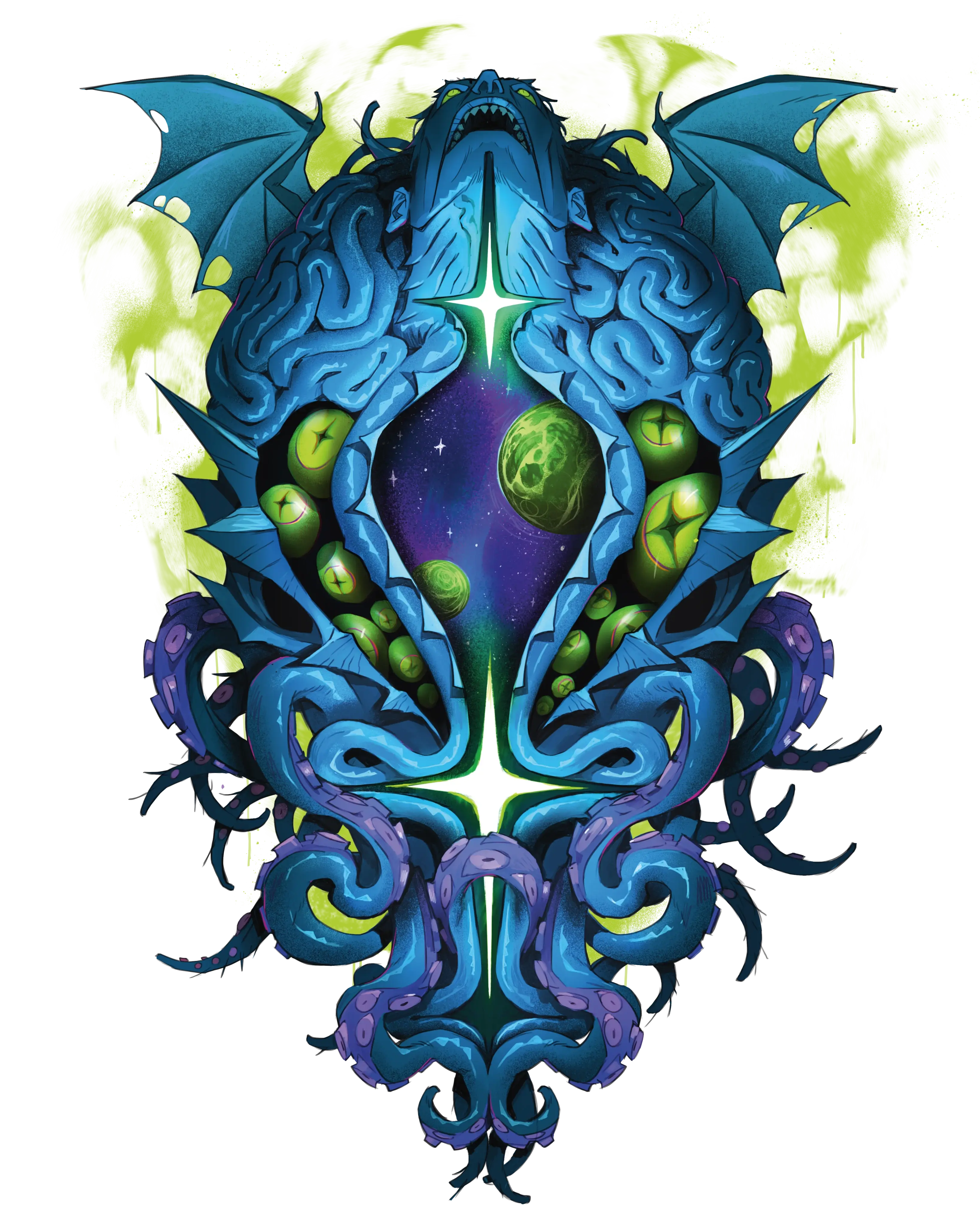
Cosmic horror revolves around the fear of personal insignificance. The genre, inspired by stories of the Cthulhu Mythos, is predicated on the idea of entities so vast and so genuinely beyond our comprehension that we can™t fathom their simplest motivations. To see them is to become lost in their magnitude and the evidence that we have never and could never matter to the cosmos at large. Examples include Annihilation and Stalker.
Cosmic Horror Principles
Consider the following principles when creating Darklords and domains with cosmic horror themes:
Fear the Unknown. Be vague. Cosmic horror emerges through imagination and the indescribable, not through details.
Iconography. Cults, forbidden books, and strange symbols form the cornerstones of cosmic horror.
Inscrutable Forces. Cosmic horror is about alien forces driven by motivations humans can™t understand. There is no good or evil, no law or chaos.
Marginalization Isn™t Horror. The genre has a history of framing marginalized demographics as monstrous and stigmatizing mental illness. Avoid those tropes.
Remove the Familiar. Cosmic horror makes characters feel gradually unmoored from reality.
Cosmic Horror Villains
Despite the genre™s grand magnitude, villains of cosmic horror are still often individual beings. Godlike terrors and inscrutable forces might pull the strings with their unknowable goals, but the antagonists the characters face are concrete, fallible people.
Villain Identities
Cosmic horror villains often perpetrate horrors as they strive for outcomes they can™t articulate. Choose from or roll on the Cosmic Horror Villains table to inspire villains appropriate to this genre.
Villain Torments
Villains in this genre are endowed with unnatural powers stemming from their studies or granted by alien forces. Choose from or roll on the Cosmic Horror Torments table to determine what alien or psychological torment plagues the villain.
Cosmic Horror Adventures
Adventures in cosmic horror realms are bleak, desperate affairs, where the best one can hope for is to survive relatively intact. There is no stopping the ultimate evil, but characters might aspire to seal it away temporarily.
Adventure Hooks
Cosmic horror adventures often deal with how alien forces might alter us, perverting our expectations and separating us from what makes us human. Choose from or roll on the Cosmic Horror Plots table to inspire your cosmic horror adventures.
Adventure Settings
Cosmic horror frequently takes place in settings that imply access to hidden knowledge or in unnatural, logic-defying dimensions far removed from reality. Choose from or roll on Cosmic Horror Settings table to inspire locations for your adventures.
Cosmic Horror Monsters
Monsters in cosmic horror adventures are often strange beings that enact bizarre changes on their victims. The Cosmic Horror Monsters table presents monsters particularly appropriate to such adventures. Unless otherwise noted, creatures in this table appear in the Monster Manual.
CR | Creature |
|---|---|
1/4 | |
2 | |
3 | Brain in a Jar,* Grell, Yuan-ti Malison (Type 1) |
5 | |
7 | |
8 | |
9 | |
10 | |
11 | |
12 | Gug* |
13 | |
14 | |
15 | |
19 | |
21 | |
23 |
*Detailed in chapter 5
Dark Fantasy
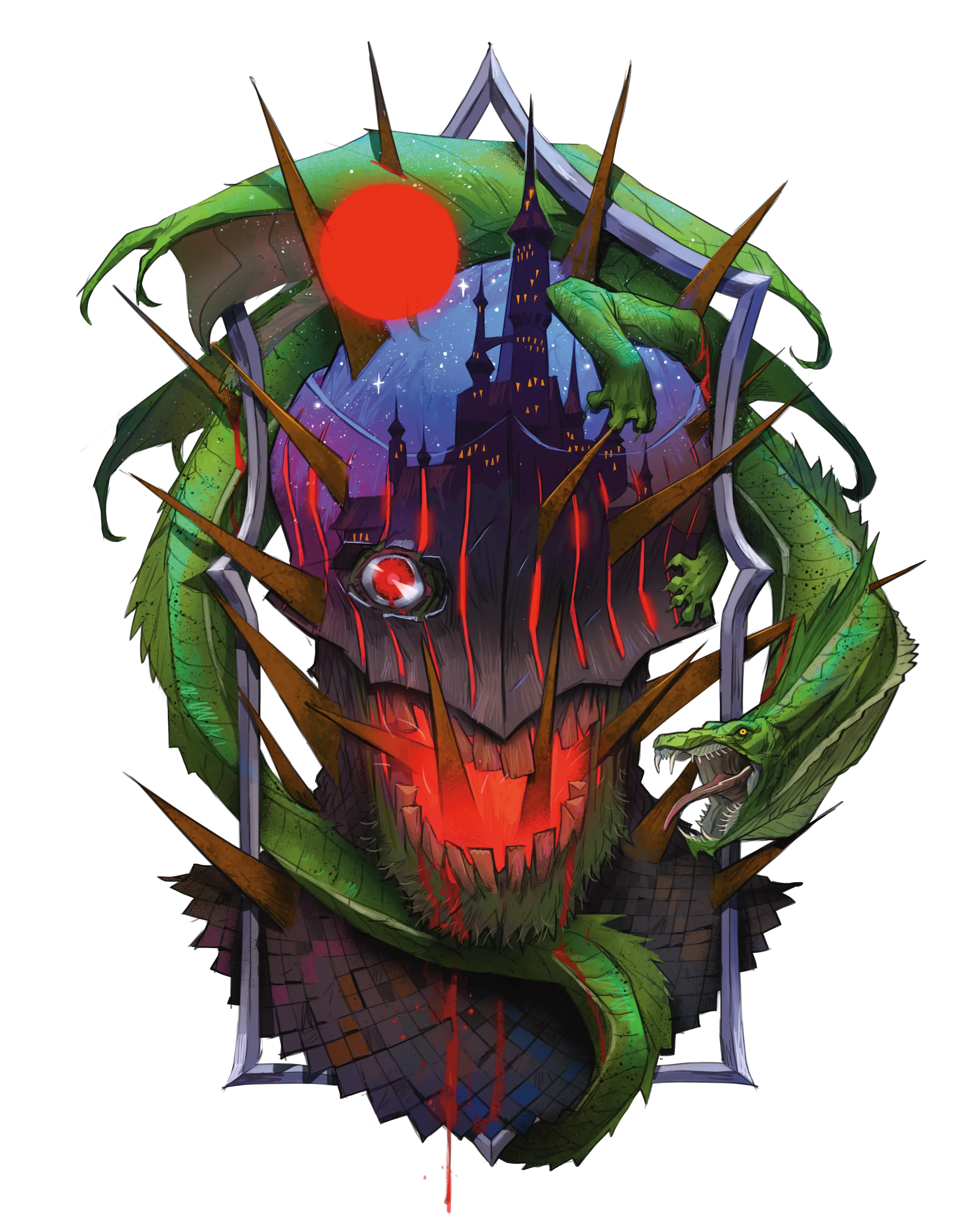
The dark fantasy genre features fantasy worlds where grim themes, nihilistic plots, or horrifying elements inform their stories. Any tale featuring both supernatural elements and horror themes might constitute dark fantasy, whether it™s a fantasy story steeped in dread or an otherwise realistic world that features a supernatural terror. Examples include The Dark Tower and Pan™s Labyrinth.
Dark Fantasy Principles
Consider the following principles when creating Darklords and domains with dark fantasy themes:
Evil Sometimes Triumphs. Good doesn™t always win. Evil individuals with great power and unopposed schemes might prosper.
Low Magic. Magic and magic items might be rarer or require a bargain or sacrifice to use.
Morally Gray. The lines between good and evil are blurred. Choices involve deciding on the least bad outcome available.
Nefarious Deeds. Corruption and suspicion flourish among organizations and individuals.
Reluctant Heroes. Antiheroes are common”characters tainted by the world™s evil or those who refuse to be considered heroes.
Dark Fantasy Villains
Sinister individuals leave their marks on dark fantasy domains, whether with oppressive architecture, unavoidable propaganda, or scars on an exploited environment.
Villain Identities
Villains occupy places of influence in dark fantasy domains. Choose from or roll on the Dark Fantasy Villains table to inspire villains appropriate to this genre.
Villain Torments
In dark fantasy adventures, a villain™s power is often rooted in the villain™s own suffering. Choose from or roll on the Dark Fantasy Torments table to determine how this power tragically works against the villain.
Dark Fantasy Adventures
Adventures in dark fantasy domains involve desperate or reluctant heroes resisting evil. Even in the grimmest settings, desperation and hope fan the flames of resistance.
Adventure Hooks
Plots in dark fantasy adventures range from street-level depravity to world-ruining conspiracies. Choose from or roll on the Dark Fantasy Plots table to inspire your dark fantasy adventures.
Adventure Settings
Evil is entrenched in dark fantasy domains, reflected by their grandiose adventure locales. Choose from or roll on the Dark Fantasy Settings table to inspire locations for your adventures.
Dark Fantasy Monsters
Any monster can find a place in a dark fantasy plot. D&D™s most iconic threats”such as dragons and beholders”are particularly appropriate to horror-tinged tales, as are any other supernatural foes. The Dark Fantasy Monsters table presents monsters particularly appropriate to such adventures. Unless otherwise noted, creatures in this table appear in the Monster Manual.
CR | Creature |
|---|---|
1/4 | |
2 | |
3 | |
4 | |
5 | |
6 | |
7 | |
8 | Fomorian, Inquisitor of the Mind Fire*, Vampire Nightbringer |
10 | |
13 | |
15 | |
17 | Death Knight, Dracolich |
21 |
Folk Horror
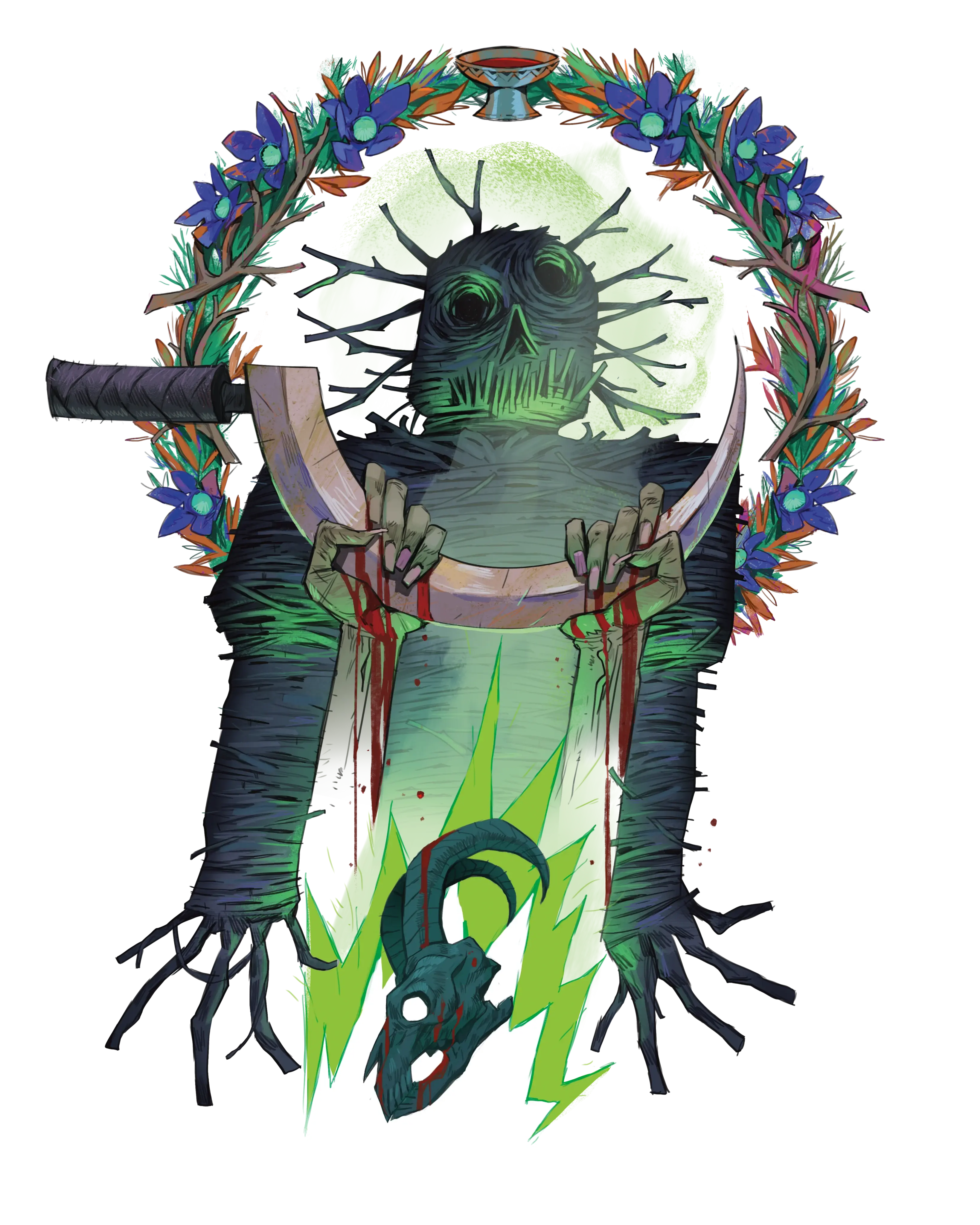
Folk horror adventures involve traditions, beliefs, and perceptions that are passed down through generations and take terrifying twists. For those who ascribe to hidden traditions, sacrifices to strange gods or placations to lurking monsters are everyday events. For outsiders, though, these practices reveal the subjectivity of normalcy and societal truth. Examples include Midsommar and The Wicker Man.
Folk Horror Principles
Consider the following principles when creating Darklords and domains with folk horror themes:
Isolation Begets Weirdness. Strange and potentially dangerous traditions flourish in isolated or private communities.
Perversion of Community. Communities in folk horror stories often are a grim mirror of an aspect of accepted society. They often dramatically use outsiders or purge nonbelievers.
Relative Truth. Beliefs highlighted in folk horror stories might not be true.
Secret Traditions. Community members typically hide their beliefs, perhaps by physically obscuring them or manipulating others in power.
Strangeness in Specificity. Art, symbols, tools, celebrations, and other trappings of belief make a community™s traditions more specific and eerie.
Folk Horror Villains
Antagonistic forces in folk horror usually are community leaders”paragons of the strange beliefs central to the horror™s narrative. Outsiders might have a chance to adopt the community™s ways, but otherwise locals consider them heretics or corrupting elements.
Villain Identities
Folk horror villains are manipulative, leading others to follow inscrutable traditions. Choose from or roll on the Folk Horror Villains table to inspire villains appropriate to this genre.
Villain Torments
Folk horror villains have been consumed by the traditions or land they embody, causing them to fail in their duties or their rites to spin out of control. Choose from or roll on the Folk Horror Torments
to determine how these twisted traditions torment the villain.
Folk Horror Adventures
In folk horror tales, characters often discover that their beliefs aren™t as universally held as they assumed”and provide no defense against those who reject those beliefs.
Adventure Hooks
Folk horror plots often involve outsiders to a group discovering unsettling practices or traditions. Choose from or roll on the Folk Horror Plots to inspire your folk horror adventures.
Adventure Settings
Folk horror stories often take place in isolated or rural areas, but they could be set anywhere insular communities thrive or traditions stagnate. Choose from or roll on the Folk Horror Settings to inspire locations for your adventures.
Folk Horror Monsters
Eerie traditions and unnatural alliances with monsters fill folk horror tales. When certain behaviors have taken hold over generations, even the strangest practices and most dangerous beings might be accepted as part of society. The Folk Horror Monsters table presents monsters particularly appropriate to such adventures. Unless otherwise noted, creatures in this table appear in the Monster Manual.
CR | Creature |
|---|---|
1/2 | |
1 | |
2 | |
2 | |
3 | |
4 | |
5 | |
7 | |
8 | |
9 | |
10 | |
13 | |
16 | |
21 |
Ghost Stories
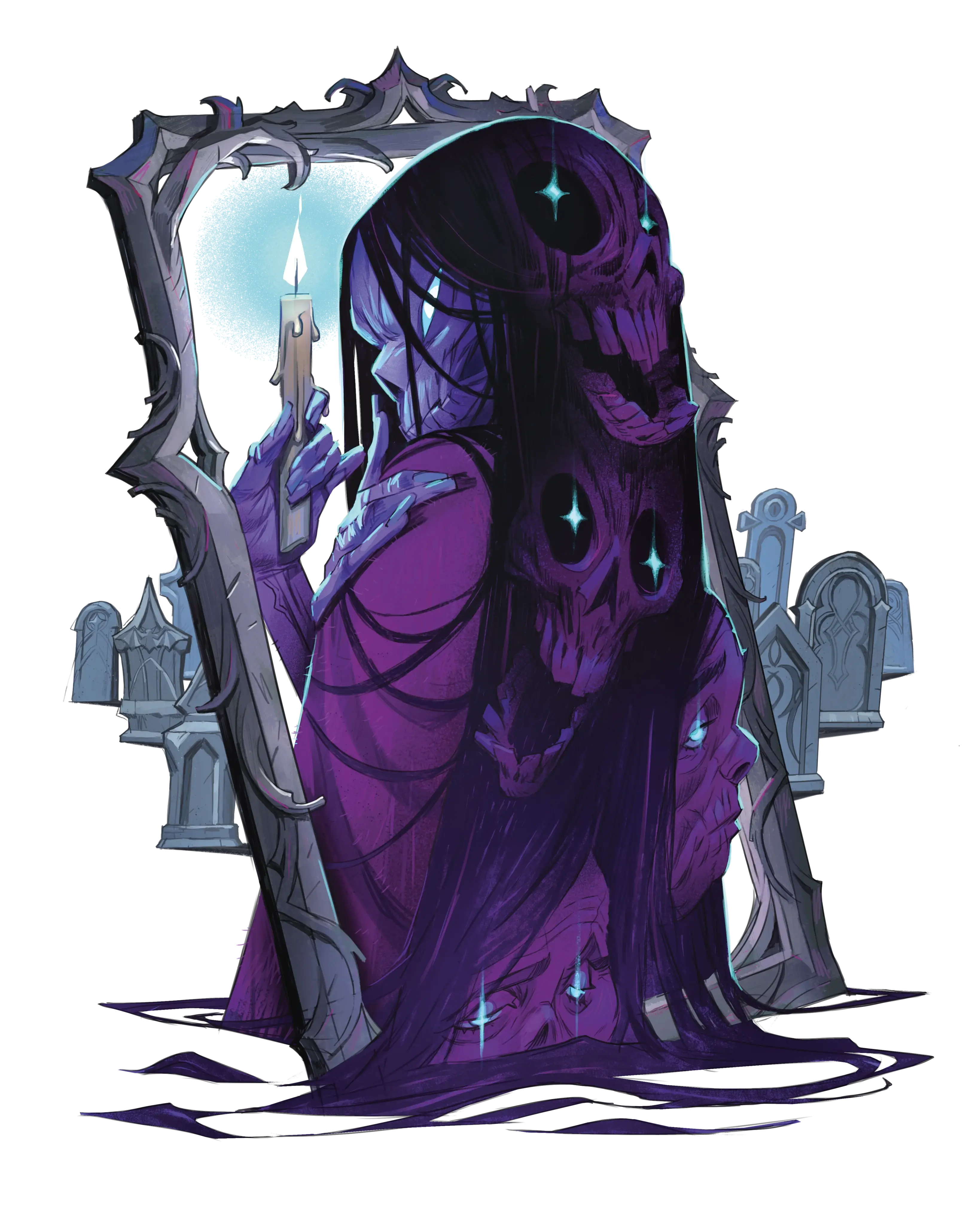
Ghost stories number among the more psychologically elaborate genres of horror. Only by revealing tales of tragedy and past wrongs can heroes bring peace to forces that share their suffering with the living. Examples include The Woman in Black and The Haunting of Hill House.
Ghost Story Principles
Consider the following principles when creating Darklords and domains inspired by ghost stories:
Mirror of Humanity. Ghosts are a way to examine the nature of the soul, mortality, and history.
Naive Heroes. Heroes are purehearted or unsuspecting individuals whose resolve is shaken by the story™s events. Look for ways to test heroes™ psychology with your hauntings.
Resolving a Haunt. Heroes need a way to put spirits to rest. Once you reveal the story, ensure the way to combat the haunting is clear.
Specificity. Even the smallest details can reveal a haunting™s story. A simple locket or portrait might contain clues that explain a haunting.
Ties to the Living. Personal ties give ghost stories weight. Consider connecting the heroes to spirits in ways they won™t predict, such as making a phantasmal villain a hero™s ancestor.
Ghost Story Villains
In ghost stories, spirits often represent instruments of supernatural justice, causing those responsible for their deaths to suffer. Spirits also can represent grief and the need for closure.
Villain Identities
While the villains in ghost stories are often spirits or haunted places, they also could be the individuals who provoked a haunting to begin with. Choose from or roll on the Ghost Story Villains table to inspire villains appropriate to this genre.
Villain Torments
Whether they™re living monsters or ghosts, villains in ghost stories are the architects of their own tragedies. Choose from or roll on the Ghost Story Torments table to determine how the villain™s past painfully manifests.
Ghost Story Adventures
Ghost story adventures deal with learning the story behind a haunting and ultimately resolving it. They benefit from preserving the mystery behind a spirit™s motivations until the heroes discover the truth.
Adventure Hooks
Though the structure”learn about a haunting and resolve it”might seem straightforward, ghost story plots can explore philosophical issues like the burden of ancestry and the nature of the soul. Choose from or roll on the Ghost Story Plots table to inspire your ghost stories.
Adventure Settings
Ghost stories are intensely personal, and adventures within this genre take place in a setting dripping with tragic history. Choose from or roll on the Ghost Story Settings table to inspire locations for your adventures.
Ghost Story Monsters
Creatures that embody or serve as a response to past tragedies often feature in ghost stories. Don™t limit yourself to incorporeal Undead when creating your own hauntings. The Ghost Story Monsters table presents monsters particularly appropriate to such adventures. Unless otherwise noted, creatures in this table appear in the Monster Manual.
CR | Creature |
|---|---|
1/2 | |
1 | |
2 | |
3 | |
4 | |
5 | |
6 | |
7 | |
10 | |
11 | |
16 |
Gothic Horror
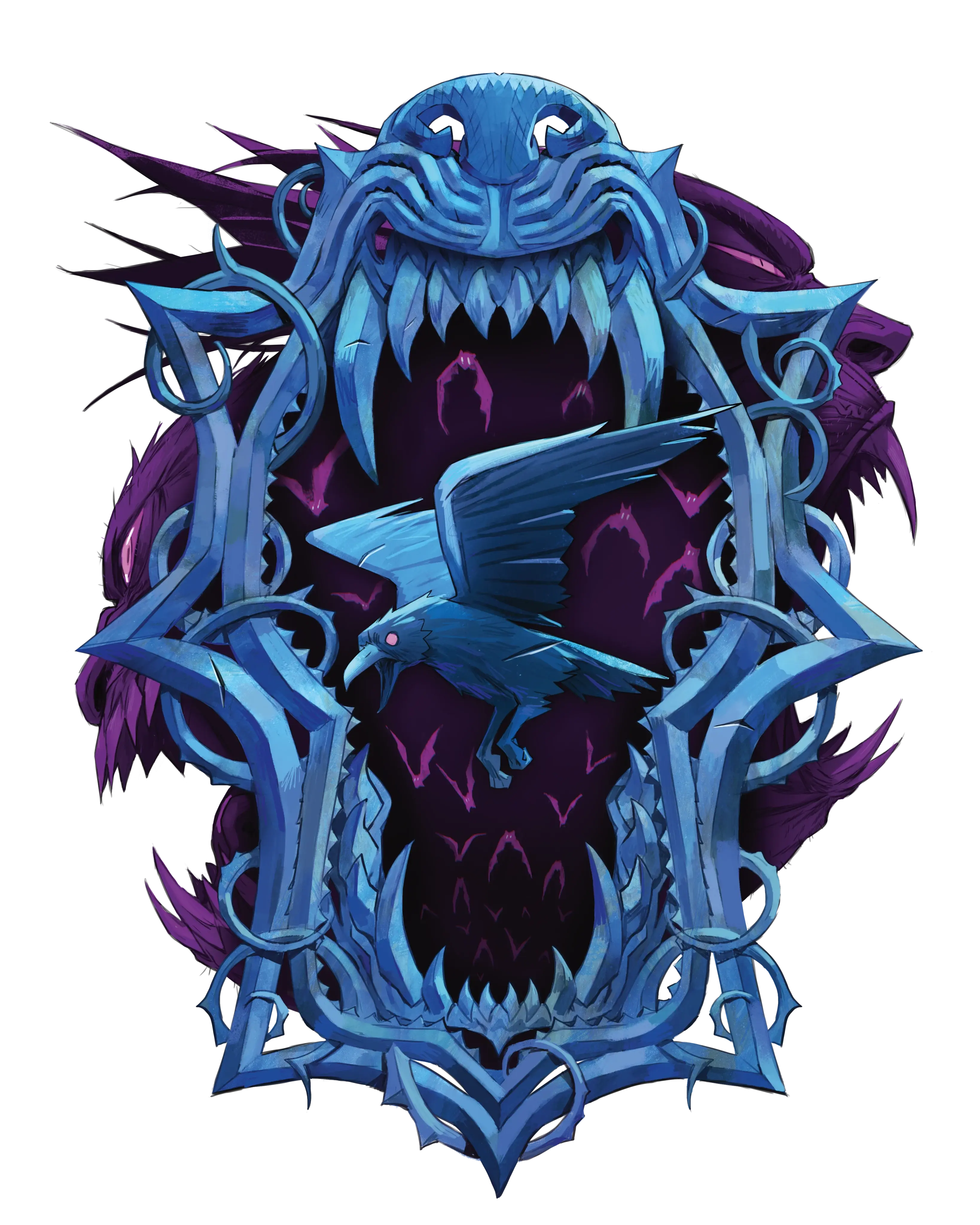
Gothic horror deals with the terror within. It shatters the illusion of humanity by holding a mirror up to us and forcing us to examine what we truly are and what we pretend to be. In gothic horror, we”not some distant entity”are the architects of our destruction. Examples include Dracula and Frankenstein.
Gothic Horror Principles
Consider the following principles when creating Darklords and domains with gothic horror themes:
Brave Heroes. Gothic heroes are often virtuous, deeply passionate, or courageous. Adventures should test characters™ beliefs and morality.
Foreboding. Atmosphere and a sense of dread are key. Locations are often decrepit or foreboding.
High Emotions. Gothic stories include intense, exaggerated emotions. Romances, rivalries, and life-changing events are common.
Sacrifice. Sacrifices feature prominently in gothic stories. Give characters heart-wrenching choices.
Unassuming, Unrepentant Villains. Gothic villains are unrepentantly evil, but this shouldn™t be immediately obvious. Drop hints about your villain™s awful secrets before revealing them fully.
Gothic Horror Villains
Though thoroughly wicked, villains in gothic horror tales act reserved or unassuming until they reveal their true nature. Any intriguing figure with a dark secret can serve as a gothic horror villain.
Villain Identities
Gothic villains are most effective when they are slowly revealed as shockingly cruel, immoral, or the antithesis of good. Choose from or roll on the Gothic Horror Villains table to inspire villains appropriate to this genre.
Villain Torments
Self-debasement and self-loathing lurk at the heart of gothic villains™ evil, whether they indulge in vices or are consumed with misanthropy. Choose from or roll on the Gothic Horror Torments table to determine how temptation and dramatic emotions torment the villain.
Gothic Horror Adventures
The themes of gothic horror adventures center around shattering the lies we trick ourselves into believing. Ominous history, poetic tragedy, and supernatural forces are staples of gothic horror.
Adventure Hooks
The dichotomy between goodness and evil, reckonings for wicked deeds, and dire choices are strong themes in gothic horror plots. Choose from or roll on the Gothic Horror Plots table to inspire your gothic horror adventures.
Adventure Settings
Gothic horror settings have an underlying sinister air, and encounters often take place in forlorn structures where depravity runs rampant. Choose from or roll on the Gothic Horror Settings table to inspire locations for your adventures.
Gothic Horror Monsters
Creatures imbued with tragedy or abominable origins work well in gothic horror adventures. The Gothic Horror Monsters table presents monsters particularly appropriate to such adventures. Unless otherwise noted, creatures in this table appear in the Monster Manual.
CR | Creature |
|---|---|
1/4 | |
1 | |
2 | |
3 | |
4 | |
6 | |
8 | Inquisitor of the Mind Fire*, Inquisitor of the Sword*, Inquisitor of the Tome*, Vampire Nosferatu* |
11 | |
12 | |
13 | |
17 |
Disaster Horror
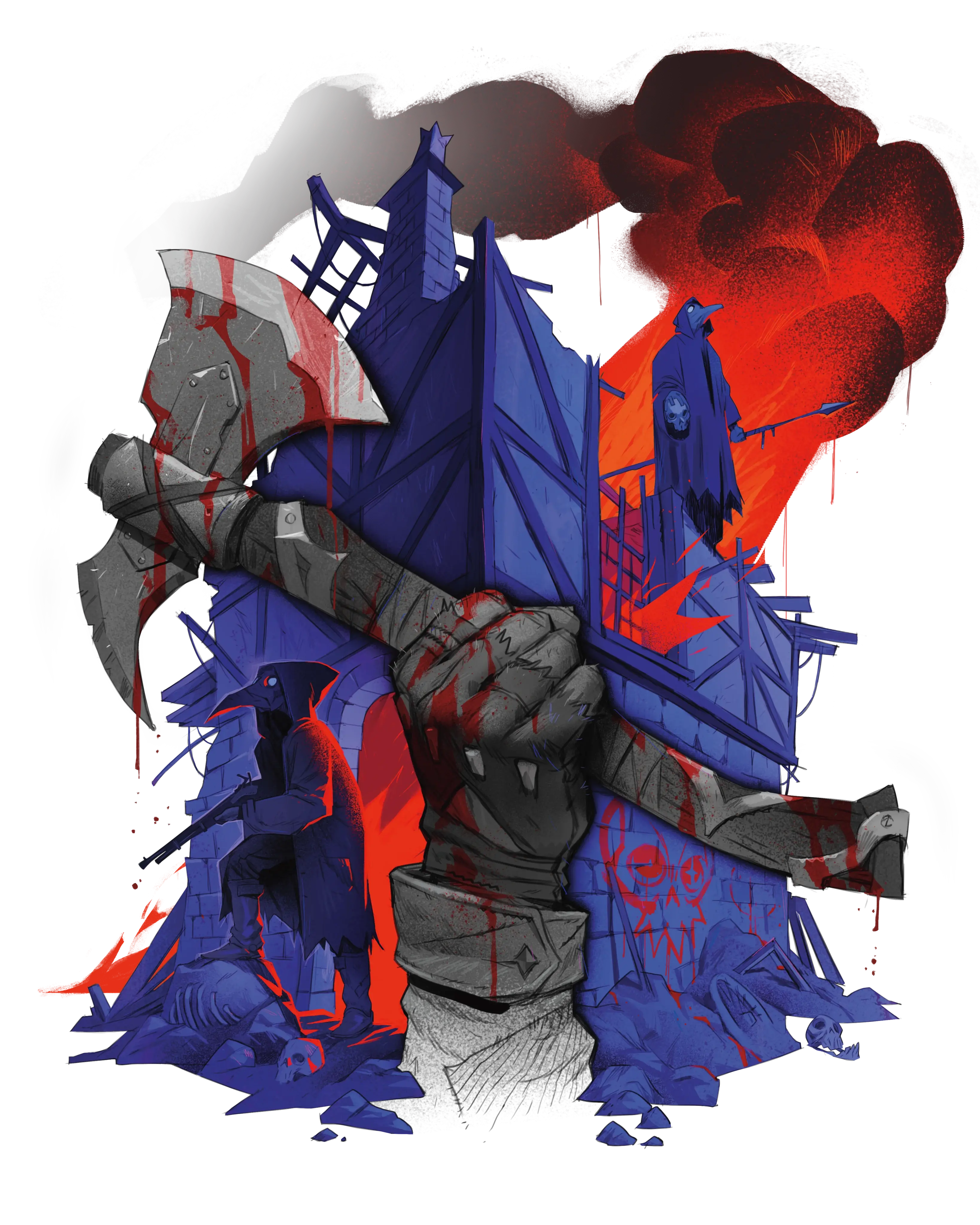
In disaster horror, the world has fallen to ruin or it™s getting there fast. The unthinkable has happened, and society is collapsing. In these tales, you might replace a monster or villain with cascading catastrophes like those brought about by a meteorite strike or volcanic eruption. Regardless of a hero™s power, the best-timed strike or the most powerful spell might not fix a city ruined by an earthquake or a world ravaged by plagues.
Disaster Horror Features
Consider the following principles when creating adventures with disaster horror themes:
Nature of Disaster. The disasters in your horror adventures need not be natural. Magical disruptions, temporal shifts, and violent interplanar rifts might sow supernatural chaos. Wars and relentless monster hordes”including legions of zombies or demons”also can cause domain-changing ruin.
Society™s Downfall. In disaster horror, society breaks down. Inns are closed, healers are few or overtaxed, and anarchy rises as governments crumble.
What It Takes to Survive. Scared innocents, opportunistic scavengers, and leaderless institutions (military or otherwise) seek to survive. The hopeless acts of others might prove more horrifying than the disaster.
Occult Detective Stories
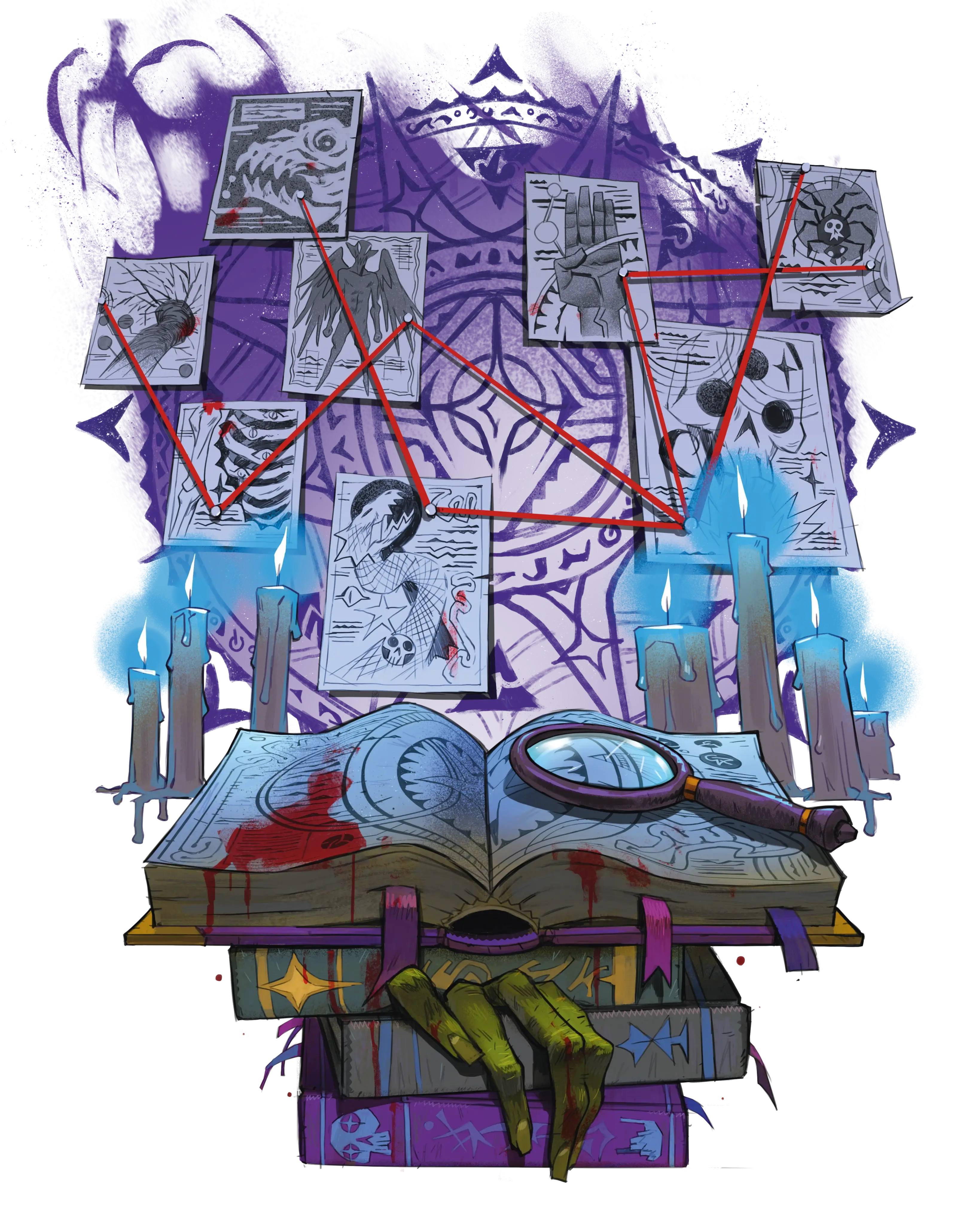
Occult detective stories straddle the line between fantasy, mystery, and horror. For the occult detective, solving paranormal mysteries is part of the job. In these adventures, supernatural criminals or monsters pursue nefarious ends while the characters act as detectives: interpreting events, seeking patterns, deducing goals, and ultimately putting an end to the threat. Investigation and cleverness take center stage in these adventures, although”as in the noir stories that inspire the genre”there™s plenty of room for action.
Occult Detective Story Features
Consider the following principles when creating adventures with occult detective themes:
Lighter Frights. Occult detective adventures can be just as terrifying as other horror adventures but might be lighter in tone. Adventurers might encounter the results of horrific deeds rather than experiencing them firsthand and might face a foe only once they™re prepared.
Supernatural Twists. Consider how monsters, magic, or other supernatural forces might lend a thrilling twist to criminal enterprises. How will the characters catch an invisible assassin or a thief who pilfers extradimensional spaces?
Threading Hints. Once you know the villain™s mode of operation, consider how the villain might give themself away. Even if you™re not sure, listen to the characters™ plans and give them opportunities to feel brilliant in the course of their investigations.
Psychological Horror
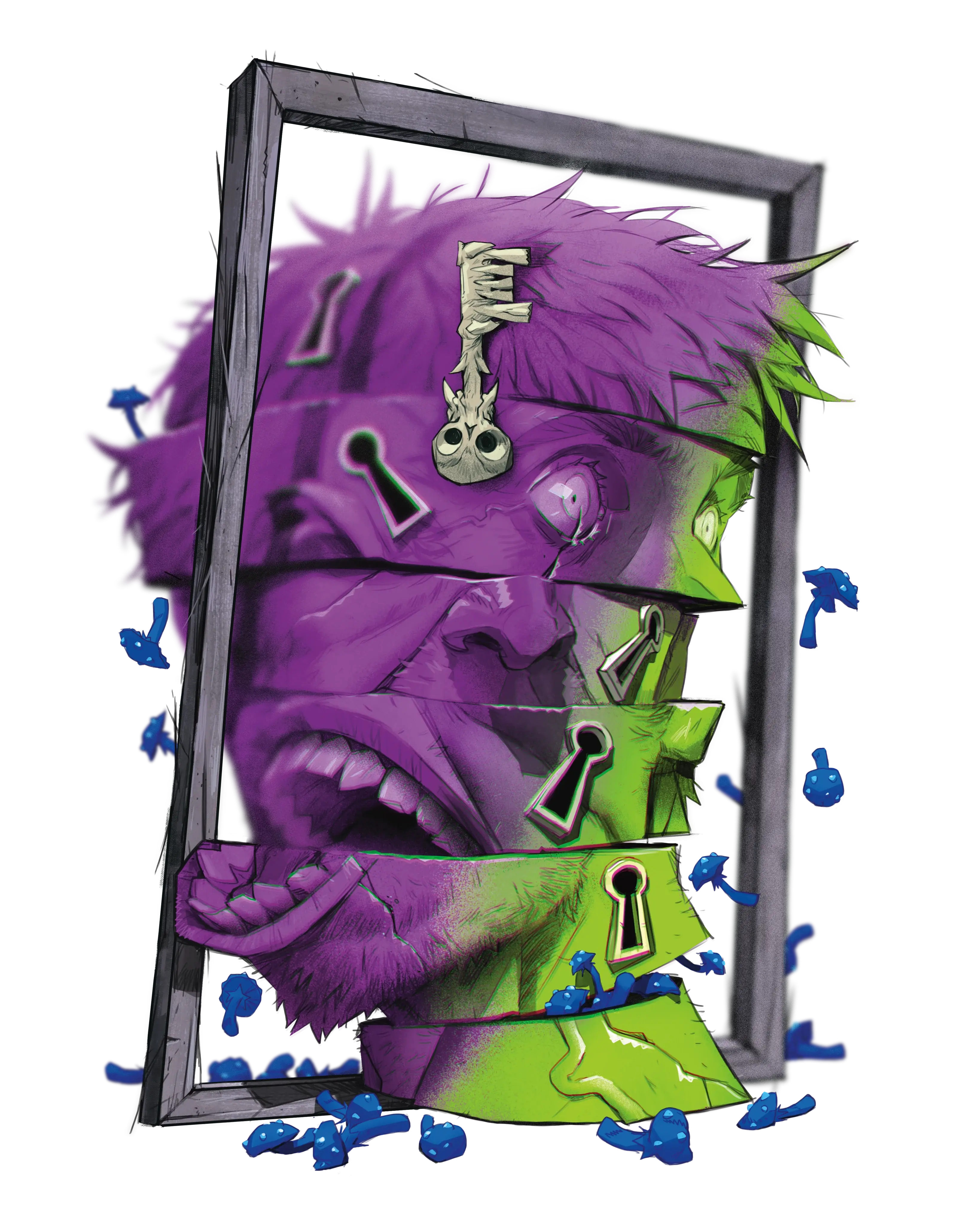
Psychological horror stories create suspense by heightening or calling into question characters™ states of mind, emotions, and perceptions. These tales often highlight the difference between what characters think and how they behave.
Psychological Horror Features
Consider the following principles when creating adventures with psychological horror themes:
Fears as Metaphors. Common anxieties and fears can become metaphors for antagonists in psychological horror. Fear of judgment by one™s peers might manifest as a jury of nothics, while fear of change could be represented by a medusa that petrifies those who threaten the status quo.
Mental Illness Isn™t Horror. Some classic psychological horror tales stigmatize mental illness. Avoid this trope in your adventures.
Unreliable Information. Uncertainty and paranoia shape psychological horror stories. Characters might experience a deadly encounter only to wake up at the end, not having realized they were asleep. Before undermining characters™ senses, identify what™s driving these skewed perceptions and how characters might overcome them.
Slasher Horror
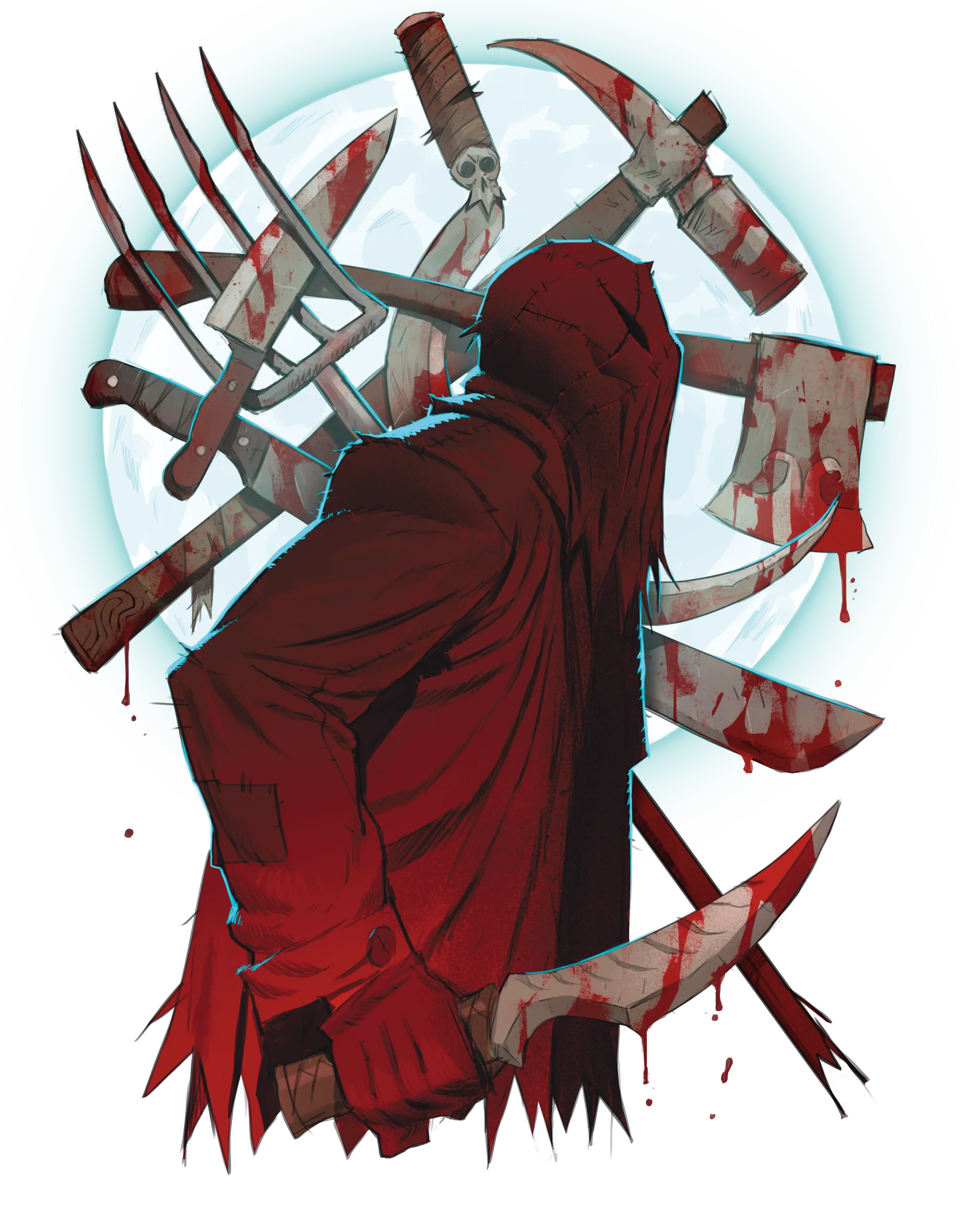
Slasher horror contends with relentless killers, which might be people or monsters. These adventures revel in grisly details, the suspense of an impending showdown with a powerful foe, and the fear that death waits right around the corner.
Slasher Horror Features
Consider the following principles when creating adventures with slasher horror themes:
Solo Antagonist. Slasher horror stories typically include one major antagonist that threatens a group. This might be a particularly large or cunning beast, a murderer who terrorizes a neighborhood, a monster stalking a town, or a supernatural menace that spreads a signature cause of death.
Targets. Consider who the villain™s targets are and why the villain is preying on that group. Is it out of hunger or for revenge, or does the creature have a deep-seated need to kill?
Violence and Infamy. Antagonists in slasher horror are often infamous, akin to urban legends, with numerous victims. Consider how the killer avoids capture and what makes the killer™s actions warrant their infamy.